





Blog / 2026 Chevrolet Equinox

Is the Chevy Equinox a Good Winter SUV for Northern Michigan? AWD, Ground Clearance, and More

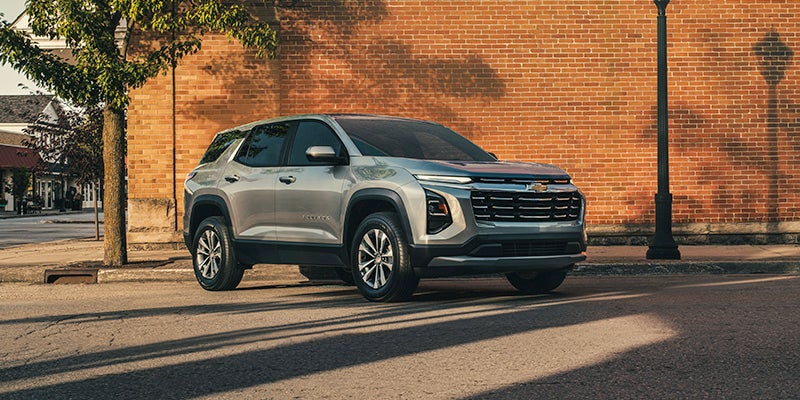
Chevrolet Equinox SUV parked on city street near brick building

Winter in East Tawas, MI, brings snow packed roads and icy intersections. Drivers need a dependable vehicle for these challenging conditions. Dean Arbour Chevrolet in East Tawas, MI, offers the Chevy Equinox to confidently handle this demanding environment. Read on to learn why this compact SUV excels when temperatures drop and reach out to our team for more information.


Available All-Wheel Drive for Winter Traction

The 2026 Chevy Equinox offers available all-wheel drive for reliable traction. This system helps drivers navigate slippery back roads and icy parking lots securely. The Equinox pairs AWD capability with a Drive Mode Selector to adapt to changing road conditions. This flexibility ensures smooth everyday winter driving across Northern Michigan.


Ground Clearance and Winter Capability

The 2026 Chevy Equinox features adequate ground clearance to handle light snow accumulation. The vehicle performs remarkably well during typical snowfall for commuters and families. The available all-terrain tires on the ACTIV trim provide additional grip on unpaved or slippery surfaces.


Safety Technology That Supports Winter Driving

The 2026 model includes excellent standard safety and driver assistance features. These technologies include Automatic Emergency Braking, Front Pedestrian Braking, Lane Keep Assist with Lane Departure Warning, Forward Collision Alert, and a Following Distance Indicator. These systems enhance safety during reduced visibility and unpredictable road conditions. Drivers can also opt for HD Surround Vision for easier maneuvering in slushy parking areas.


Comfort Features for Cold-Weather Commutes

Heated front seats and a heated steering wheel come standard on the LT trim. The 11.3" diagonal infotainment touchscreen provides accessible navigation and hands-free communication. Drivers can easily operate the system while wearing gloves. Available wireless phone charging keeps devices powered without cables. Compatibility with Apple CarPlay© and Android Auto© further elevates the daily driving experience.


Is the Equinox the Right Winter SUV for You?

Chevy Equinox winter driving offers a reliable experience with available AWD, standard safety technology, and practical comfort features. This well-rounded SUV handles Northern Michigan winters smoothly. Stop by for a test drive to see the 2026 Chevy Equinox in person. The team at Dean Arbour Chevrolet in East Tawas, MI, can help you find the right trim for your winter driving needs. Browse our current digital inventory to begin your search today.
Posted in:

Related Posts

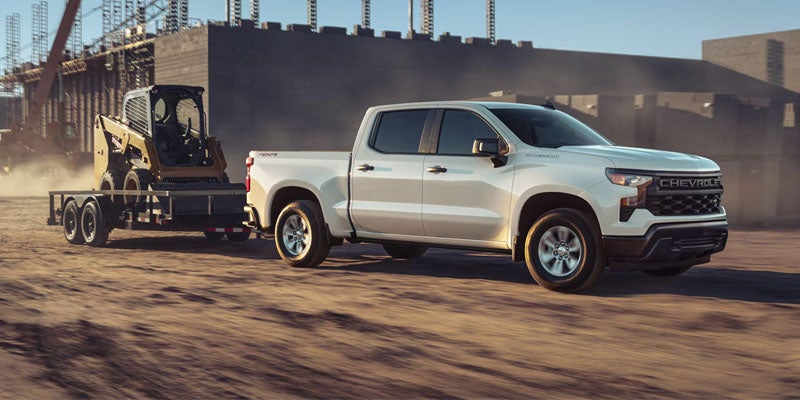
Chevrolet Silverado towing equipment trailer on construction site

Chevy Silverado 1500 vs. 2500 HD vs. 3500 HD: Choosing the Right Truck for You

If you are comparing the Chevy Silverado HD vs 1500, the team at Dean Arbour Chevrolet in East Tawas, MI, can help y ou make a confident decision. The Silverado lineup offers three distinct configurations. Understanding the differences ensures you select the right pickup for your lifestyle. Contact us today to learn more about our current inventory and schedule a test drive. You might haul gear on weekends or work a job site every day, but there is a Silverado built for your life. What Sets the Chevy Silverado 1500 Apart The Chevy Silverado 1500 is a popular half-ton truck. Chevrolet designed it for drivers requiring capable performance in a daily-driver package. The 1500 handles everyday hauling and towing without feeling oversized for regular commutes. It offers various powertrain options and trim levels to match your needs. Driving through local neighborhoods or hitting a weekend trail, the Silverado 1500 brings a balanced blend of utility and comfort. Understanding the Silverado 2500 HD The 2500 HD takes capability to the next level. Engineers built this heavy-duty truck for drivers who regularly tow large loads, including fifth-wheel campers, horse trailers, or heavy equipment. The robust frame and suspension handle higher demands with ease. Buyers can choose an available diesel engine for sustained towing over long distances. If your routine involves a large boat or a loaded work trailer, the 2500 HD provides essential power. What the 3500 HD Brings to the Table The 3500 HD sits at the top of the lineup for raw capability. Chevrolet targets contractors, ranchers, and commercial buyers requiring maximum towing and payload capacity. The available dually configuration adds crucial stability and load-carrying ability for demanding jobs. Managing a farm operation or hauling heavy equipment professionally requires the extreme capability the Silverado 3500 HD delivers. Chevy Silverado HD vs 1500: Key Differences Choosing between these trucks comes down to daily usage. The 1500 fits drivers wanting versatility and comfort without the HD bulk. The 2500 HD bridges the gap for regular heavy hauling demands. The 3500 HD is purpose-built for pushing limits every week. Towing capacity, payload ratings, engine options, and suspension setups vary significantly across the lineup. Knowing your required towing and hauling weights helps narrow your choice quickly. Find Your Silverado at Dean Arbour Chevrolet After comparing the Chevy Silverado HD vs 1500, you should explore your options in person. The Silverado lineup offers a truck for nearly every driver, from weekend adventurers to full-time professionals. Review our online inventory at http://www.deanarbourchevy.com to find the perfect pickup. Dean Arbour Chevrolet in East Tawas, MI, is ready to help you find the right vehicle for your needs.

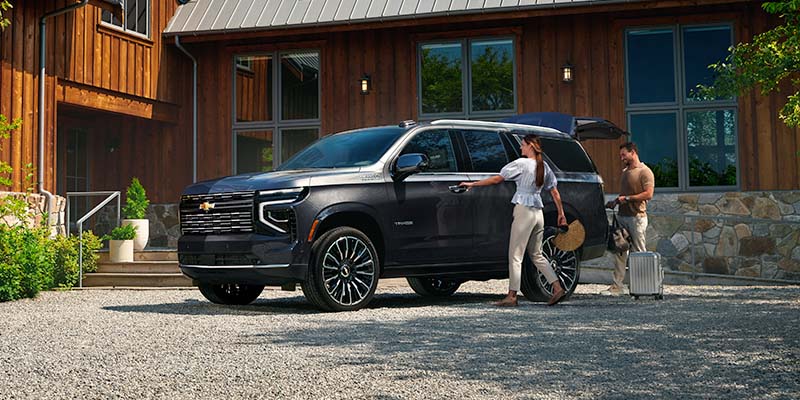
A dark gray Chevrolet Tahoe parked outside a wooden home while a couple loads luggage into the back.

Chevy Tahoe vs. Suburban: Which Full-Size SUV Is Right for You?

If you're shopping for a full-size SUV in East Tawas, MI, you’ve probably thought of two of the most popular options out there, the Chevrolet Tahoe and the Chevrolet Suburban. When it comes to looking at the Chevy Tahoe vs. Chevy Suburban the differences can be small, but important. Both are built on the same platform, share the same powertrains, and deliver the kind of dependability Chevrolet is known for. But they're not the same vehicle, and the right choice depends on how you plan to use it. What the Chevy Tahoe and Suburban Have in Common Before diving into the differences, it helps to know what these two full-size SUVs share. Both the Tahoe and Suburban are built on the same platform and offer similar powertrain options, technology features, and available trim levels. You'll find the same quality interior materials, available driver assistance features, and strong towing capability across both models. If you're familiar with one, the other will feel very similar behind the wheel. How They Differ in Size The most significant difference between the Chevy Tahoe vs Suburban comes down to overall length and cargo space. The Tahoe is the shorter of the two, making it more maneuverable in parking lots and tighter city streets. It still seats up to nine passengers depending on configuration, which works well for most families. Behind the third row, the Suburban offers 41.5 cu.ft. compared to the Tahoe’s 25.5 cu.ft. The Suburban stretches several inches longer, and that extra length translates directly into more cargo room behind the third row. If you regularly haul gear, luggage, or sports equipment on top of a full load of passengers, the Suburban's added space can make a real difference on longer trips. Towing and Capability Both full-size SUVs are built for drivers who need real capability. Each model supports serious towing capacity, making them popular choices for pulling boats, trailers, and campers across Michigan. Whether you're heading north toward the Upper Peninsula or staying close to East Tawas, MI, having that kind of capability gives you flexibility for how you use your vehicle day to day. When it comes to capability, both the Tahoe and the Suburban are well matched. Each is available with a 5.3L V-8 engine producing 355 hp and 383 lb.ft. of torque, along with an available 6.2L V-8 with 420 hp and 460 lb-ft of torque for drivers who want more power. A Duramax® 3.0L turbo-diesel engine is also available on both models. It puts out 305 hp and 495 lb-ft of torque. With the diesel engine, the Tahoe can go 624 miles on a full tank and the Suburban has an estimated 728-mile range. The Tahoe’s max towing capacity is 8,400 lbs and the Suburban can tow up to 8,200 lbs. The Tahoe and Suburban each offer available four-wheel drive, which comes in handy during Michigan winters. If off-road performance or cold-weather traction is a priority, both vehicles deliver on that front. Interior Comfort and Features Inside, both the Chevy Tahoe vs Suburban comparison comes down to how much interior space you truly need. The Tahoe offers a comfortable, well-appointed cabin with available features like a 17.7-in touchscreen, wireless charging, and a Wi-Fi hotspot. It handles daily driving and family road trips with ease. The Suburban takes that same interior and adds legroom and cargo volume in the rear. For larger families or drivers who prioritize rear passenger comfort, that additional space is easy to appreciate. Both models offer available captain's chairs, premium audio, and a suite of connectivity options. Which One Is Right for You? Choosing between these two full-size SUVs really comes down to your lifestyle. If you want a more manageable size with strong capability and a versatile interior, the Tahoe is a great fit. If your priority is maximum passenger comfort and cargo room, the Suburban is worth the extra length. Drivers throughout East Tawas, MI can explore both models in person to get a feel for which fits best. The right choice is the one that matches how you live and what you ask of your vehicle every day. Visit Dean Arbour Chevrolet to Explore Both Models Ready to see the Chevy Tahoe vs Suburban side by side? The team at Dean Arbour Chevrolet is here to help you compare trim levels, explore available inventory, and find the full-size SUV that fits your needs. Stop in or browse the current lineup at deanarbourchevy.com to get started.

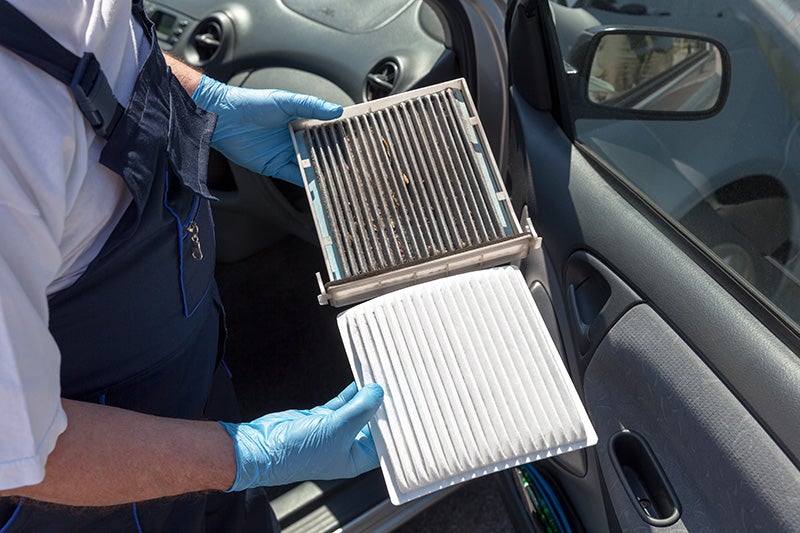
A mechanic wearing blue gloves holding a dirty, debris-filled car cabin air filter next to a clean white replacement filter outside an open car door.

How Often to Change Cabin Air Filter in Your Chevrolet

If you've ever noticed a musty smell when you turn on the heat or air conditioning in your Chevy, your cabin air filter might be overdue for a replacement. Knowing how often to change cabin air filter in your vehicle is a small, but important part of keeping it running comfortably. For drivers in East Tawas, Michigan, where seasons shift dramatically, this simple maintenance task matters more than you might think. What Does a Cabin Air Filter Do? Before getting into how often to change cabin air filter, it helps to understand what it actually does. The cabin air filter is responsible for cleaning the air that flows through your vehicle's heating, ventilation, and air conditioning system. It traps dust, pollen, debris, and other airborne particles before they reach the interior of your car or truck. A clean filter means cleaner air for you and your passengers. A clogged one can reduce airflow and allow pollutants into the cabin, irritating eyes, noses, and breathing sometimes. How Often Should You Replace It? Most automotive experts recommend replacing your cabin air filter every 15,000 to 25,000 miles, or roughly once a year. However, that general guideline doesn't account for your specific driving conditions. If you frequently drive on dirt roads, through heavy traffic, or in areas with high pollen counts, you may need to replace it more often. Coincidentally, if you travel with or are prone to allergy issues, asthma, or any other kind of medical condition that may be affected by the air quality, it doesn’t hurt to pay extra attention to your cabin air filter. Knowing how often to change cabin air filter also depends on your specific Chevrolet model. Check your owner's manual for the manufacturer's recommended service interval. It's one of the best resources available for your exact vehicle. Signs Your Cabin Air Filter Needs to Be Replaced Sometimes your car will tell you it's time for a new filter before you hit the mileage mark. Watch for these common signs that your cabin air filter is past its prime. Reduced airflow from your vents is one of the first things you might notice. If the air seems weak even when the fan is on a high setting, a restricted filter could be the cause. A musty or unpleasant odor when running the heat or AC is another clear signal. You might also notice more dust accumulating on your dashboard than usual. If you're experiencing any of these symptoms, it's worth having the filter inspected during your next service visit. Why Regular Replacement Matters for Chevy Owners Staying on top of how often to change cabin air filter is more than just a comfort issue. A clogged filter puts extra strain on your HVAC system, which can lead to larger problems over time. Keeping it clean helps your system work efficiently and can even extend the life of other components. Chevy vehicles are designed with dependability in mind, but that reliability works best when paired with consistent maintenance. Whether you drive a workhorse Silverado, a well-rounded Equinox, a family-friendly Traverse, or an efficient Trax, regular filter replacements are a quick and affordable way to protect your investment. Get Your Cabin Air Filter Checked Today Drivers throughout East Tawas, Michigan, can count on knowledgeable service to help keep their Chevy running at its best and keep your cabin air clean. Visit Dean Arbour Chevrolet at deanarbourchevy.com to learn more about available service options or to book your next appointment. Understanding how often to change cabin air filter is one of those easy maintenance wins that makes a real difference in your daily drive. Aim for replacement every 15,000 to 25,000 miles, and pay attention to the signs your vehicle gives you along the way. Your passengers—and your HVAC system—will thank you for it.